Why Nothing Feels Interesting Anymore and How to Reclaim Focus
When Nothing Feels Interesting Anymore
You used to be able to read. Actual books, not just headlines. You could sit through movies without reaching for your phone. Conversations held your attention.
Now a two-page article feels like a marathon. Your mind wanders mid-sentence during conversations you care about. You start projects with genuine enthusiasm and abandon them within hours. And somewhere along the way, you started needing background noise just to function.
If this sounds familiar, the problem probably isn’t your character or your work ethic. The problem is that your brain’s reward system has been quietly recalibrated by years of high-speed digital stimulation. Understanding how this happens is the first step toward reversing it.
The Baseline Problem
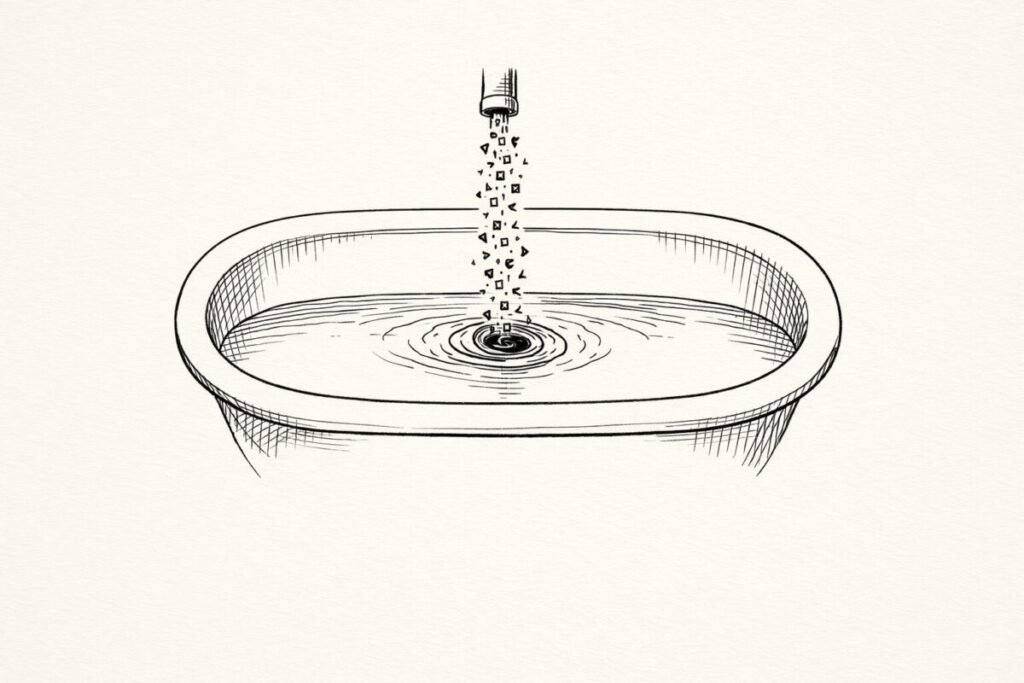
Your brain maintains what researchers call a dopamine baseline. Think of it like the waterline in a bathtub. When you engage in stimulating activities, dopamine rises above the baseline. Afterward, it dips below, then returns to normal.
The catch: when stimulation is constant, your brain adjusts by lowering the baseline itself.
A lower baseline means ordinary activities feel duller than they should. Reading feels boring. Exercise feels pointless. Work feels impossible. You need increasingly intense stimulation just to feel okay. The bathtub is draining, and you keep turning up the faucet to compensate.
Stanford psychiatrist Anna Lembke calls this the “pleasure-pain balance.” Every high comes with a corresponding low. When we pursue constant pleasure through scrolling, streaming, and notifications, we’re not adding to our happiness. We’re borrowing from tomorrow’s capacity to feel satisfied by normal life.
Your Attention Is Under Siege
Here’s something that might surprise you: the apps you use daily were designed by people whose job title is literally “attention engineer.” Their entire purpose is making their platforms as habit-forming as possible. Not evil, exactly. Just very, very good at their jobs.
Research on smartphone proximity found something unsettling. Having your phone nearby, even face-down and silent, reduces your available cognitive capacity. Your brain expends resources actively not checking it. The device doesn’t need to buzz or light up. Its mere presence fragments your attention.
You’re not fighting distraction. You’re fighting systems engineered by some of the smartest people in the world specifically to capture and hold your focus.
Most people assume their shortened attention span reflects some personal failing. Weak willpower. Poor discipline. An inability to buckle down. But you’re not competing against your own nature. You’re competing against billion-dollar platforms optimized through constant A/B testing to be as compelling as possible.
Why Willpower Keeps Failing
The standard advice is to just try harder. Be more disciplined. Have some self-control.
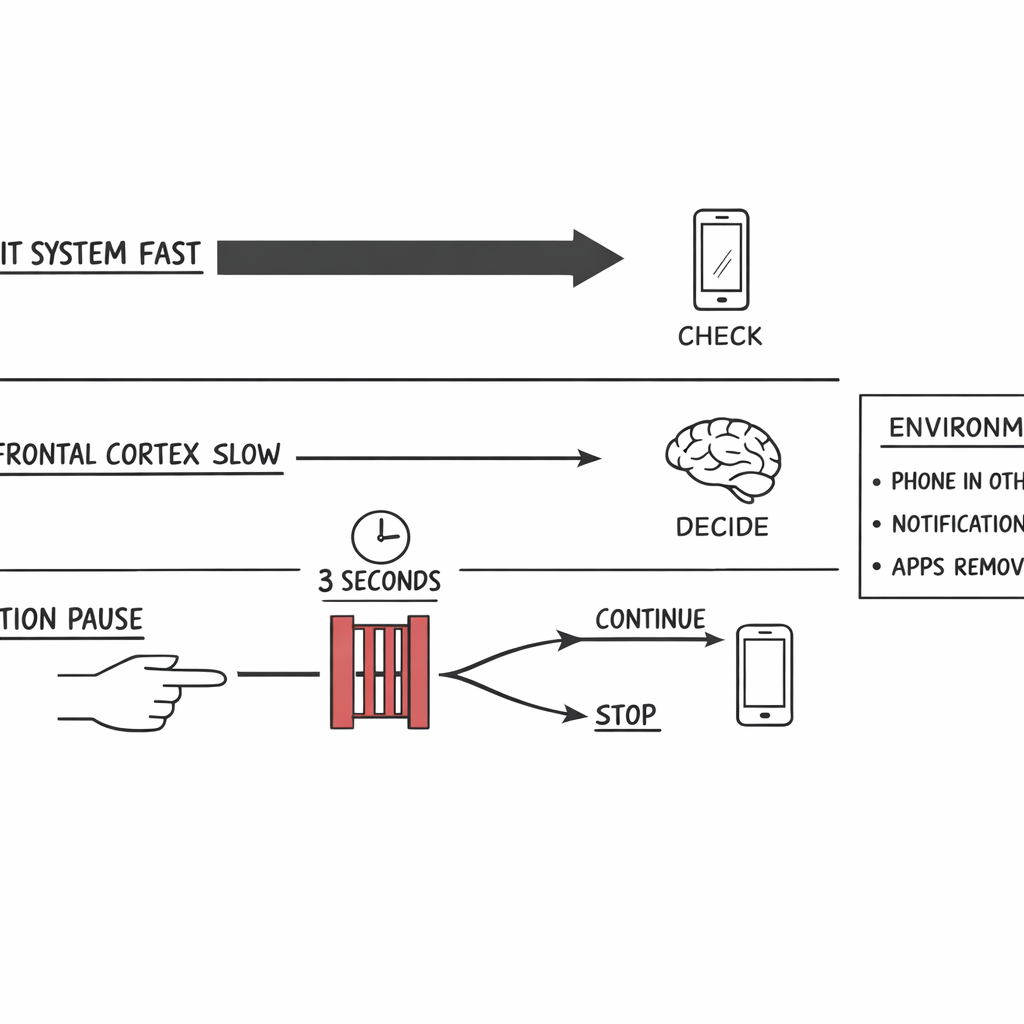
But willpower operates in the prefrontal cortex, the rational, planning part of your brain. Habit and impulse operate in faster, older brain regions. By the time your prefrontal cortex registers “I shouldn’t check my phone,” your thumb has already unlocked it.
The behavior happens before the decision.
This is why knowing something is bad for you doesn’t help you stop. The gap between intention and action isn’t a knowledge gap. It’s a speed gap. Your habit system moves faster than your conscious mind can intervene.
For people who want to use digital tools intentionally but find themselves sucked into automatic behaviors, friction-based approaches address this timing problem. Browser extensions like MonkeyBlocker insert brief delays before sites load, giving the conscious mind time to participate in decisions the habit system was about to make automatically. The extension’s Impulse Check feature creates a few seconds of pause, not to block access, but to slow down the process enough for genuine choice to occur. Its Scroll Stopper adds natural breaking points to infinite feeds, transforming passive drift into moments of deliberate continuation or stopping.
These tools work because they target the actual problem: the speed at which digital habits bypass conscious thought. They’re not complete solutions, but they address something willpower alone cannot.
The Uncomfortable Fix
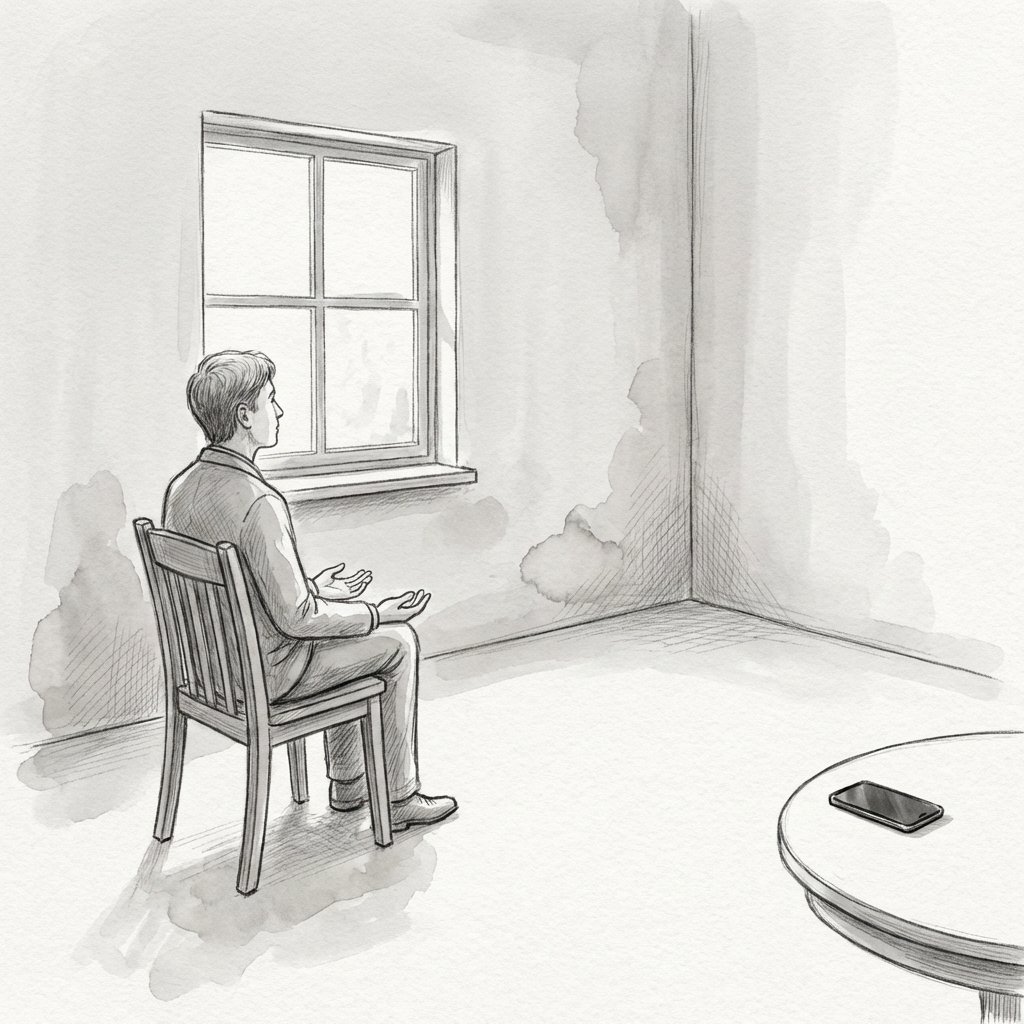
Recovering your dopamine baseline requires something your brain will resist: genuine boredom.
Not watching YouTube. Not listening to podcasts. Not scrolling through anything. Actual nothing.
Walking without headphones. Sitting in waiting rooms without your phone. Driving in silence. Letting your mind wander without feeding it content.
The first few days feel genuinely uncomfortable. Anxious, even. Your brain is withdrawing from constant stimulation and will generate strong urges to fill the void. That discomfort is the point. You’re retraining your brain to generate its own entertainment and handle uncomfortable feelings without immediately medicating them.
After roughly two weeks of reduced high-dopamine activities, most people report that normal tasks become interesting again. Reading feels engaging. Conversations hold attention. The waterline rises back to where it belongs.
Building Boredom Tolerance
Think of your ability to tolerate understimulation as a muscle. It atrophies without use. Every time you reach for distraction at the first hint of boredom, you’re letting that muscle weaken.
Deep work requires boredom tolerance. Learning new skills requires it. Meaningful relationships require it. Essentially everything worthwhile demands the capacity to sit with discomfort without immediately escaping.
Start small:
– Take one walk per day without audio
– Wait in lines without pulling out your phone
– Eat one meal in silence
– Work for 25 minutes with your phone in another room
Your brain will fight these experiments. Notice that resistance without acting on it. The noticing itself is the practice.
Environment Over Effort
The most sustainable approach isn’t summoning more willpower. It’s redesigning your environment so the path of least resistance leads somewhere you actually want to go.
Delete social media apps from your phone and access them only on a computer. Turn off all non-essential notifications. Use website blockers during focused work periods. Charge your phone in a different room overnight.
These changes work because most compulsive behavior is mindless. When you add even small obstacles, you create moments where conscious choice can happen. You’re not preventing yourself from doing anything. You’re just slowing down enough to ask whether you actually want to.
A Different Kind of Nothing
The entire digital ecosystem is designed to prevent one thing: stillness.
Every app wants your attention. Every platform wants your engagement. Every notification exists to pull you back in. Sitting quietly with your own thoughts has become almost countercultural.
But your brain is adaptable. The same plasticity that got you into this mess can get you out. You can rebuild your attention span. You can recover your dopamine baseline. You can relearn how to be bored without reaching for something to fill the void.
The irony is worth sitting with. We’re more entertained than any humans in history. We have instant access to more content than we could consume in a thousand lifetimes. And yet the capacity to feel satisfied by ordinary experience keeps slipping away.
Maybe the answer isn’t finding better content. Maybe it’s remembering how to want less of it.