

The Uncomfortable Truth About Caffeine and Getting Things Done
Most productivity advice about caffeine follows a predictable script: quit the stimulants, embrace your natural energy, and watch mental clarity bloom like a time-lapse flower video.
It sounds right. It feels virtuous. And for some people, it might even be true.
But what if the opposite happens? What if removing caffeine doesn’t unlock hidden reserves of focus – and instead reveals that the stimulant was doing exactly what it seemed to be doing: helping someone work better?
The relationship between caffeine and productivity is more complicated than either the wellness crowd or the hustle culture crowd would have people believe. Understanding why requires looking past both the “coffee is a crutch” narrative and the “more caffeine equals more output” assumption.
The Expectation Versus the Reality
When someone decides to quit caffeine, they usually expect a rough few weeks followed by a plateau of stable, sustainable energy. The logic seems solid: remove the artificial peaks and crashes, and the body will regulate itself.
For some people, that’s exactly what happens. Anxiety decreases. Sleep improves. The afternoon slump disappears because there’s no morning spike to crash from.
But here’s what rarely gets discussed: for other people, the “plateau” they reach is genuinely lower than their caffeinated baseline – and it stays that way.
Not because of withdrawal. Not because they haven’t waited long enough. But because their brain chemistry responds to caffeine in ways that can’t be replicated through sleep hygiene and morning sunlight.
Why Feeling Productive Isn’t the Same as Being Productive
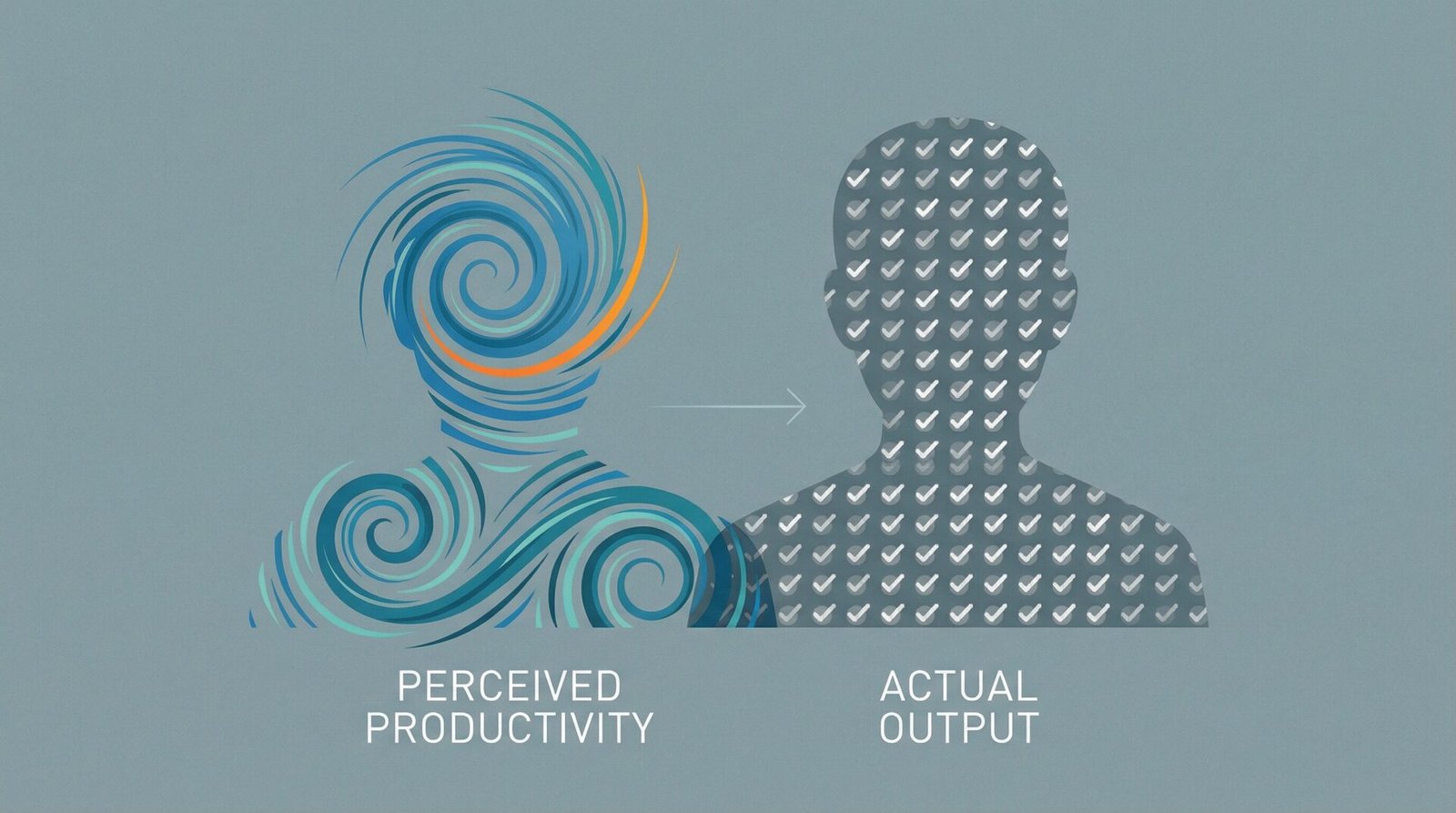
One of the sharper criticisms of caffeine is that it creates an illusion. The argument goes: stimulants make people feel energized and focused, but actual output doesn’t increase – people just perceive their work as better or more meaningful while caffeinated.
This is worth taking seriously. The gap between perceived effort and actual results is real in many domains. Someone might feel incredibly productive while reorganizing their task management system for the fourth time.
But research complicates this skeptical take. Caffeine does appear to improve certain types of cognitive performance – particularly sustained attention, reaction time, and vigilance during tedious tasks. It’s not purely perceptual.
The question isn’t whether caffeine “works” – it’s whether the way it works aligns with the type of work someone needs to do.
For repetitive, attention-demanding tasks that require staying locked in over hours, caffeine tends to help measurably. For creative work requiring loose, associative thinking, the picture gets murkier. And for anyone prone to anxiety, the costs might outweigh the benefits regardless of task type.
The Moderation Problem
The obvious middle path – use caffeine strategically, in moderate amounts – makes sense in theory. One cup of coffee in the morning, timed for maximum effect, without afternoon doses that interfere with sleep.
Simple enough. Except moderation is harder than it sounds for substances that create tolerance.
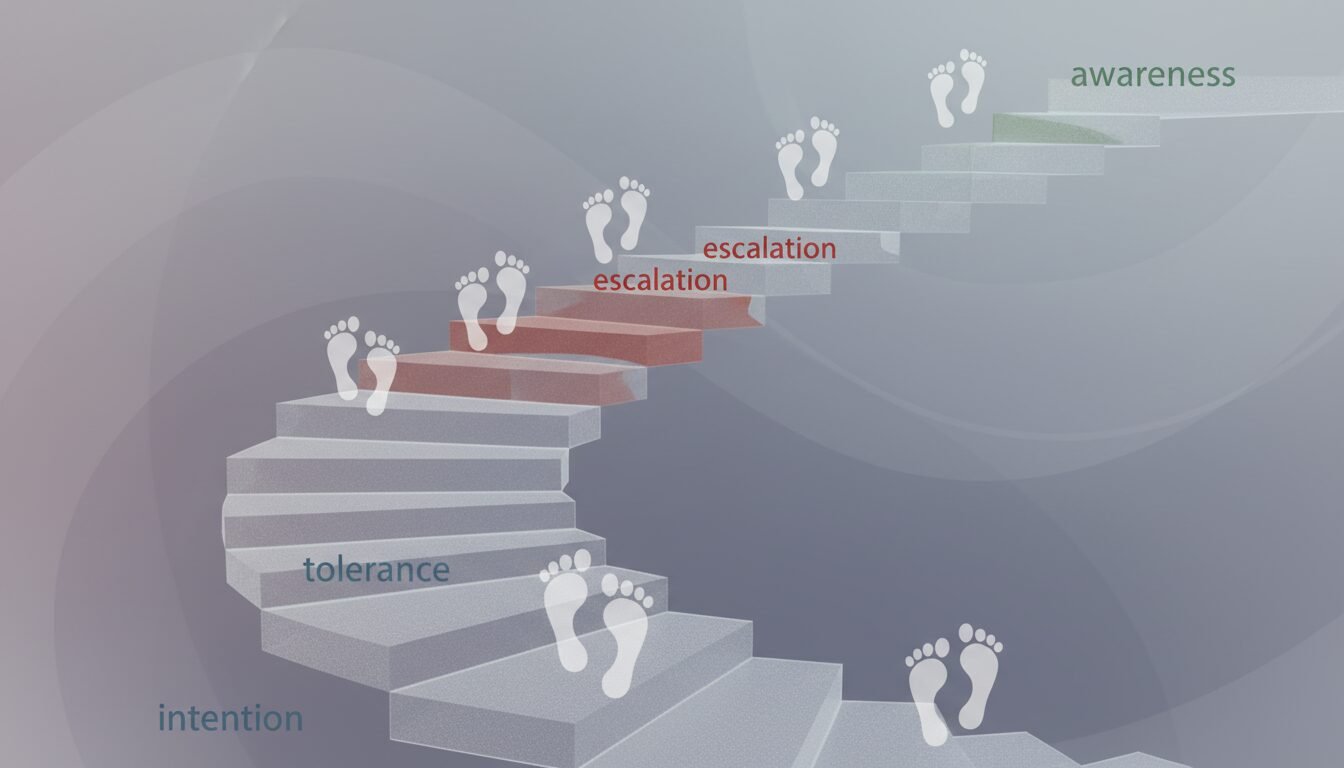
When caffeine stops working at the current dose, two options emerge: increase the amount or accept diminished returns. Most people don’t consciously decide to escalate. It happens gradually – an extra shot of espresso here, an energy drink when particularly tired there.
This isn’t a moral failing. It’s how tolerance works.
The same pattern appears with digital habits. Someone installs a site blocker planning to use it occasionally, then finds themselves disabling it “just this once” – which becomes a pattern of negotiating with their own rules.
For managing digital distractions that compete with focus, friction-based tools like MonkeyBlocker – a Chrome browser extension – apply a similar principle to what makes moderate caffeine use difficult: the problem isn’t knowledge or intention, but the speed at which automatic behaviors bypass conscious choice. The extension’s Impulse Check feature introduces a brief delay before distracting sites load, creating space for the deliberate mind to participate in decisions the habit system was about to make automatically. It’s not a perfect analogy to caffeine moderation, but it addresses the same underlying challenge – how to maintain intentional use of something that easily becomes excessive.
Individual Variation Is More Extreme Than People Assume
Caffeine metabolism varies dramatically between individuals. Some people clear it from their system in four hours. Others take twelve or more. Genetic differences in liver enzymes create vastly different experiences from the same cup of coffee.
A morning espresso that leaves one person clear-headed and focused might leave another jittery for hours. A 2pm coffee that causes no sleep disruption for a fast metabolizer could mean a restless night for someone with slower clearance.
This biological variation makes universal advice about caffeine almost meaningless.
“Quit caffeine and you’ll feel amazing” ignores that some people genuinely function better with it. “Caffeine is essential for productivity” ignores that some people function worse – or develop anxiety, sleep problems, or dependency patterns that erode any gains.
The Productivity Trap
Underneath the caffeine question lurks a larger assumption worth examining: that more productivity is always better.
The human capacity for sustained, cognitively demanding work appears to max out around three to four hours per day for most people. Not three to four hours of being at a desk. Three to four hours of genuine, focused output.
Caffeine might extend that window temporarily. But bodies weren’t designed for eight-hour cognitive sprints. The push to maintain that pace – whether through stimulants, willpower, or guilt – has costs that don’t always show up immediately.
Sometimes the most productive choice isn’t finding ways to work longer. It’s accepting that sustainable output happens in shorter bursts than productivity culture admits.
Making Peace With Trade-Offs
The honest answer about caffeine and productivity is unsatisfying: it depends.
It depends on genetics. On the type of work. On whether someone’s baseline without caffeine is genuinely lower or just feels that way during adjustment. On tolerance patterns and whether moderate use is sustainable for a particular person. On what they’re willing to trade off – perhaps slightly less creativity for more sustained focus, or better sleep for less afternoon energy.
There’s no universally correct choice. Someone who quits caffeine and thrives isn’t wrong. Someone who uses it daily and works better isn’t wrong either. They’re different people with different biology responding to the same substance in different ways.
The only real mistake is assuming everyone else’s brain works like yours.